MOJO representations
Edition - July 2018
Edition - July 2018
Gender roles - All people in this edition of MOJO magazine are predominantly male. Commonly, people would assume 'sexism' after reading that sentence above. However the targeted audience is male so the people included in the magazine should attract the audience the company is looking to attract.
Moreover, the women who are present are mainly stereotypically depicted (smiling, girly clothes etc) with few to no countertops of the way women are portrayed in the media.
Multi-Culturalism - The rough number of ethnic minorities is similar to the exact same number of women (around 73, compared to the rough number of men, around 311). Personally, I do not believe that the motivation of doing this is to purposely exclude other cultures but simply to reach the - somewhere niche - target audience that the company of MOJO magazines are looking to reach. There are a few people of an Asian or black race at some points in the magazine too presenting that the magazine does not only want all white people.
Moreover, the target audience's generation was not as accepting of other cultures and races than modern society so it would naturally be less advertised to them.
Celebrity Culture - There are several celebrities throughout this edition of the magazine - predominantly male celebs. Some examples of these celebrities include Pink Floyd (a famous all-male band), The Cadets (also a fully male band), Kris Kristofferson, ABBA (a half male/half female band), The Cure (an all male band) and many more.
The Cadets are an all black and male band. This shows a sense of diversity and inclusion breaking the assumption that this magazine excludes people of another race to white.
LGTBQ+ - There are no references to anybody being part of the LGTBQ+ community. I don't think that this reason is because of homophobia but also simply because MOJO magazine is not looking to attract that audience. Maybe this is because stereotypically, gay/lesbian - etc - people are not typically into what they are promoting and advertising in this edition of their magazine. It can also be because it is a music magazine so there is no reason for them to be putting LGTBQ+ in there unnecessarily.
In addition to this, the target audience is older, white and higher class men who were not brought up in a time where being gay was accepted. Therefore that generation would not feel a need to see it in a magazine they are reading about music.


The edition I am addressing
Here I have attached some of the people that were shown in the magazine.
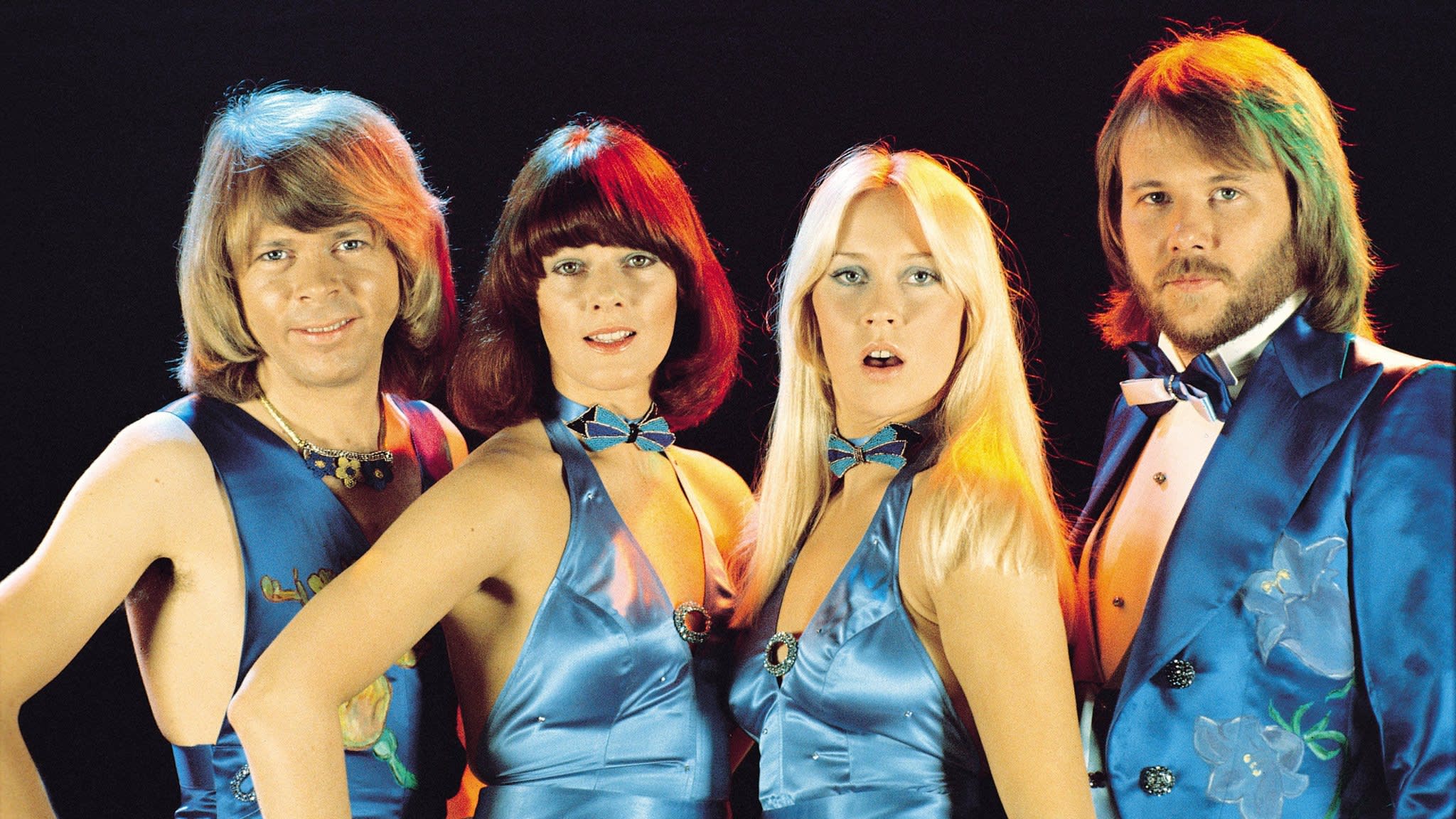
ABBA

The Cure

Kris Kristofferson
Multi-Culturalism - The rough number of ethnic minorities is similar to the exact same number of women (around 73, compared to the rough number of men, around 311). Personally, I do not believe that the motivation of doing this is to purposely exclude other cultures but simply to reach the - somewhere niche - target audience that the company of MOJO magazines are looking to reach. There are a few people of an Asian or black race at some points in the magazine too presenting that the magazine does not only want all white people.
Moreover, the target audience's generation was not as accepting of other cultures and races than modern society so it would naturally be less advertised to them.
Celebrity Culture - There are several celebrities throughout this edition of the magazine - predominantly male celebs. Some examples of these celebrities include Pink Floyd (a famous all-male band), The Cadets (also a fully male band), Kris Kristofferson, ABBA (a half male/half female band), The Cure (an all male band) and many more.
The Cadets are an all black and male band. This shows a sense of diversity and inclusion breaking the assumption that this magazine excludes people of another race to white.
LGTBQ+ - There are no references to anybody being part of the LGTBQ+ community. I don't think that this reason is because of homophobia but also simply because MOJO magazine is not looking to attract that audience. Maybe this is because stereotypically, gay/lesbian - etc - people are not typically into what they are promoting and advertising in this edition of their magazine. It can also be because it is a music magazine so there is no reason for them to be putting LGTBQ+ in there unnecessarily.
In addition to this, the target audience is older, white and higher class men who were not brought up in a time where being gay was accepted. Therefore that generation would not feel a need to see it in a magazine they are reading about music.

The edition I am addressing
Here I have attached some of the people that were shown in the magazine.
ABBA
The Cure
Kris Kristofferson

Well done Jessie, a great blog post exploring representations.
ReplyDeleteDon't forget that the Rock genre stereotypically doesn't tend to have many groups/artists who are Asian etc, so that could be another factor for the lack of multi-culturalism.
Miss C
Taken on board thank ya
ReplyDelete