Friday, November 1, 2019

Magazine Audiences And Uses & Gratifications


Uses n Grats


Weekly magazines target an audience that is more working class than middle class. The paid magazines with the highest C2DE readership are Take A Break, What's on TV, OK! and TV Choice - these are all weekly magazines.

The quality monthly magazines tend to target a more middle class audience. The paid for magazines with the highest ABC1 readership are the monthlies Good Housekeeping, Cosmopolitan, Vogue and BBC Good Food - followed by the weekly Radio Times.

The most popular weekly and monthly magazines have predominantly female readerships.

Magazines aimed at men have lower circulations. The most successful are Men's Health and BBC Top Gear.


Magazine activity and passivity:
Magazines, like all print media, offer a more active audience experience than the audiovisual media forms (TV, film, radio), but a less active experience than the online media.


MOJO readers:
- Only about 68,000 copies are printed each month.
- MOJO is 4 times as likely to be read by men and not women.
- MOJO gains a similar share of middle class and working class.


Monday, October 28, 2019

What is the function and types of regulation in the magazine industry? (IPSO) 


The Independent Press Standards Organisation (IPSO): is the independent regulator  for the newspaper and magazine industry in the UK. They view newspapers and magazines to regulate their content , protect individual rights, uphold high standards of journalism and help to maintain freedom of expression for the press.


What they do

They make sure that newspapers and magazines are following the editors code - which sets out the rules that newspapers and magazines regulated by IPSO have agreed to follow. They also foresee complaints made about the newspapers and magazines and provide advice for editors and journalists to take into account when doing their jobs. 

Funding
IPSO is financed by the Regulatory Funding Company (RFC) which is funded by member publications. IPSO carries out its work separately and completely independently from its members.

The website
On IPSO's website, there is a large variety to be read. It includes the news, press releases, upcoming events, a blog, a podcast, a newsletter and a detailed summary on what IPSO is and what they are here to do.

Thursday, October 17, 2019

BAUER MEDIA

Bauer Media


The first ever edition of MOJO


MOJO was initially published by Emap, but Bauer Media took over in 2008 and bought Emap in 2007. Bauer Media is now the current publisher of MOJO magazines.


Circulation - The amount of print being distributed


MOJO readers:

MOJO had a fairly small circulation of about 68,000 copies between the years 2016-2017 and a readershi[ of about 138,000. (For comparison, Take A Break and Cosmopolitan have readerships of well over 1 million.

Class:
- MOJO gains a similar share of middle-class and working-class readers

Gender:
- MOJO is four times more likely to be read by men than by women

Age:
- The readership is adult
- There is a greater number of older readers (over 35) than young readers:
nearly two-thirds of the readers are over 35
- However, a higher proportion of 15-34 year olds (a much smaller group) read the magazine compared with over 35 year olds (a much bigger group)


Conglomerate - A media institution/company that owns numerous companies involved in mass media enterprises, such as television, radio, publishing etc


Baur Media is a comglomerate. It owns more than 600 magazines - including 2 other UK magazines (Q and Kerrang).

It has diversified MOJO brand by offering mojo4music.com online (since 2001) in order to reduce the risk of operating in only one media form.

Bauer Media is diversified itself with ownership of magazines, websites, radio stations and music TV channels.


Diversified - a comglomerate expands a product into different media platforms


In early 2010, MOJO was involved in a controversial move by Bauer. They decided to impose a new contract on all photographers and writers. They took away their copyright and libel rights... these are both laws (libel= a published false statement that is damaging to a person's reputation). Prior to 2010, photographers and writers had to complete creative control and copyright over their images and work, however Bauer Media took this power away from them and gave the control over to MOJO magazine. 200 photographers and writers were not happy.


Some examples of what Bauer Media owns:


Bauer also produced a digital radio station. This station was called MOJO radio, and was transmitted on the digital television networks in the UK (Freeview channel 721 and Sky Digital channel 0182, though not Virgin Media) and online.


Thursday, October 3, 2019

MOJO representations

MOJO representations
Edition - July 2018

Gender roles - All people in this edition of MOJO magazine are predominantly male. Commonly, people would assume 'sexism' after reading that sentence above. However the targeted audience is male so the people included in the magazine should attract the audience the company is looking to attract.

Moreover, the women who are present are mainly stereotypically depicted (smiling, girly clothes etc) with few to no countertops of the way women are portrayed in the media.


Multi-Culturalism - The rough number of ethnic minorities is similar to the exact same number of women (around 73, compared to the rough number of men, around 311). Personally, I do not believe that the motivation of doing this is to purposely exclude other cultures but simply to reach the - somewhere niche - target audience that the company of MOJO magazines are looking to reach. There are a few people of an Asian or black race at some points in the magazine too presenting that the magazine does not only want all white people.

Moreover, the target audience's generation was not as accepting of other cultures and races than modern society so it would naturally be less advertised to them.


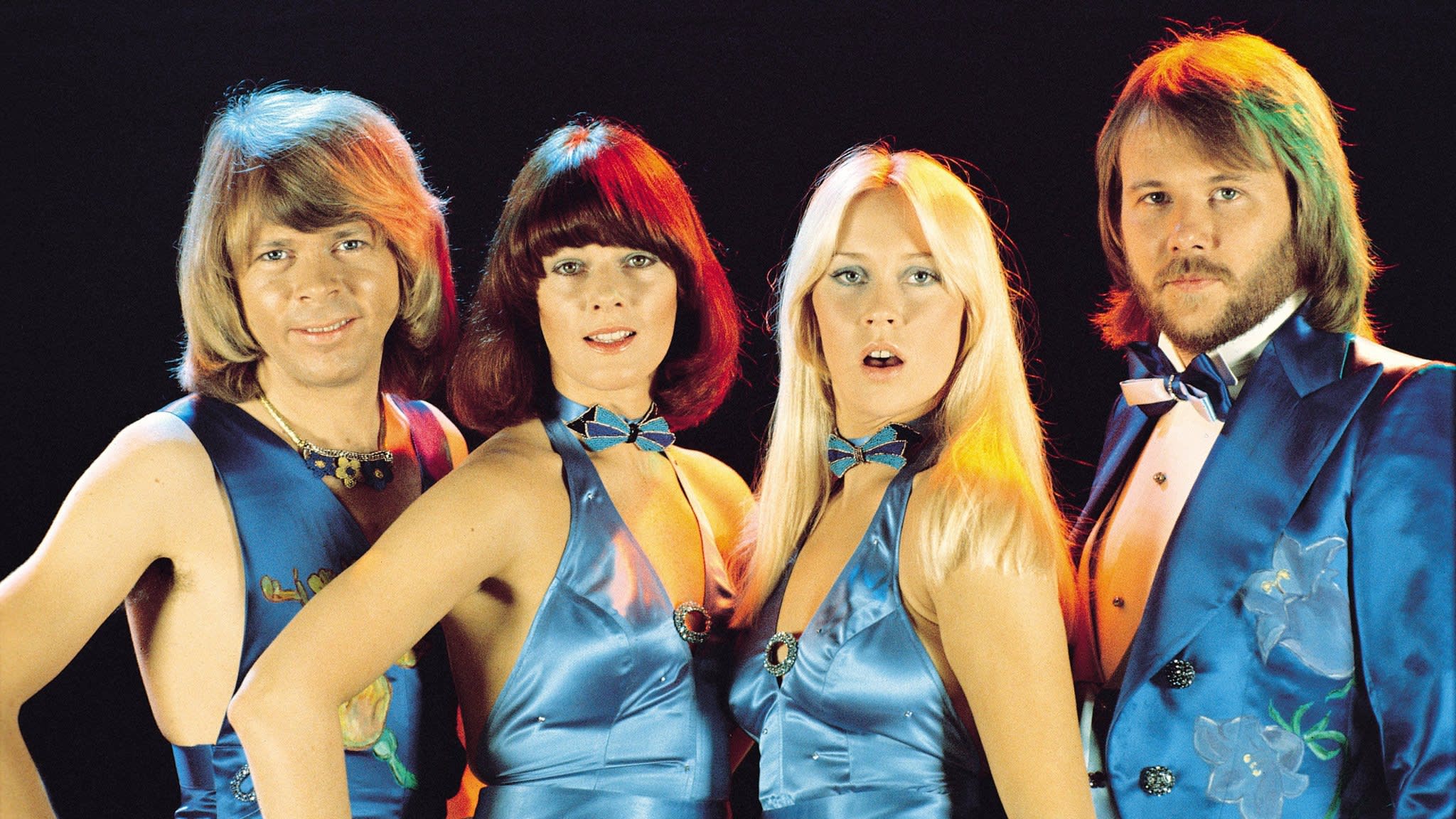
Celebrity Culture - There are several celebrities throughout this edition of the magazine - predominantly male celebs. Some examples of these celebrities include Pink Floyd (a famous all-male band), The Cadets (also a fully male band), Kris Kristofferson, ABBA (a half male/half female band), The Cure (an all male band) and many more. 

The Cadets are an all black and male band. This shows a sense of diversity and inclusion breaking the assumption that this magazine excludes people of another race to white. 


LGTBQ+ - There are no references to anybody being part of the LGTBQ+ community. I don't think that this reason  is because of homophobia but also simply because MOJO magazine is not looking to attract that audience. Maybe this is because stereotypically, gay/lesbian - etc - people are not typically into what they are promoting and advertising in this edition of their magazine. It can also be because it is a music magazine so there is no reason for them to be putting LGTBQ+ in there unnecessarily. 

In addition to this, the target audience is older, white and higher class men who were not brought up in a time where being gay was accepted. Therefore that generation would not feel a need to see it in a magazine they are reading about music. 


The edition I am addressing 


Here I have attached some of the people that were shown in the magazine. 

Image result for ABBA


ABBA 

Image result for the cure


The Cure
Image result for kris kristofferson


Kris Kristofferson


MOJO q's

MOJO Questions


1. Create a tally. Go through the magazine and count how many:
a)  men
b) women
c) ethnic minorities

Men -
311

Women -
73

Ethnic minorities -
73


2. How might audiences interpret the same magazines very differently and how might these differences reflect both social and individual differences?

No this is not a fair representation of Women or Ethnic Minorities. Although it's target audience is men, the lack of especially Ethnic Minorities is not fair since all men should be included. There seems to be certain pages dedicated for women and ethnic minorities.

A woman buying the magazine and who enjoys rock would feel offended that there are no women in the magazine since they would be offended by having no women role models for their favourite music type. They would also like the magazine and not understand why it isn't targeted to women. Black older men who where to pick it p would feel excluded because the magazine is predominately white. The magazine is expensive as well as the people in the magazine whites why it is targeted for rich people. Lower class would not be able to buy this so would feel excluded.

There is advertisments on different albums and arising stars. It is mostly on men and popular albums.They have these certain advertisements because they are tying to appeal to their target audiences by putting things like their type of music and  middle age men.


3. Are there a range of articles? What is the language that has been used?

There is not a range of articles, most are just men and they only have few women. They also have few ethnic minorities. They have used enticing work like modal verbs and emotive language to hook the reader inland make them buy the products being advertised.


Monday, September 30, 2019

10 Exam Questions

Exam Questions


1) How can audiences access music videos? (1 mark)
Audiences can access music videos on their phone or laptop etc from youtube or from being shown them in social situations.

2) Explain one way in which music videos use media language to appeal to target audiences (4 marks)

3) Explain one way in which music videos use media language to represent the artists (4 marks)

4) Explain how a social group is represented within a music video. Refer to the music videos you have studied to support your answer (10 marks) 

5) Explain why music videos are made and how they benefit artists and audiences (10 marks)


1) Identify who collects audience data for radio in the UK (1 mark)
RAJAR 

2) How does radio 1 live lounge meet the PSB requirements? (5 marks)

3) Explain how the radio 1 live lounge is a benefit to artists and audiences (5 marks)

4) Explain how and why producers of radio programmes are obligated to fulfil their remit. Refer to the radio 1 live lounge to support your answer (10 marks)

5) Explain how and why producers of radio programmes target different audiences. Refer to the radio 1 live lounge to support your answer (10 marks)

Thursday, September 19, 2019

MOJO - A Change In Society

MOJO - A Change In Society


This front cover magazine of Miley Cyrus promotes her sexuality as LGTBQ+. 


This magazine front cover is dominated by females, promoting their music.


Changes in gender roles - The increasing role of women in public life due to the impact of 1970s feminism, changing stereotypes of masculinity and femininity

Changing attitudes to sexualities - The increasingly visible role of LGBTQ+ people in public life and acceptance of different sexualities

Multiculturism - The change from a normatively who and racist society to one characterised by racial and ethnic diversity

Celebrity culture - The organisation of popular culture around celebrities - people who are famous for being famous (for example Love Island contestants who are just famous for nothing really) 

Consumerism - The expectation that people should mark out an individual identity by exercising choice in buying goods and services and aspire to higher social status; the dominance of marketing